
Waking with your hand pressed over your mouth, half-convinced something is missing — the teeth falling out dream is one of the most frequently reported dreams in the Western tradition, and it tends to be unforgettable. Alongside being chased and being naked in public, it belongs to a small group of “universal” dream themes that appear across ages and cultures. Dream researchers who collect dream reports at scale consistently find teeth dreams near the top of the list, which is exactly what makes them a useful window into how the dreaming mind works.
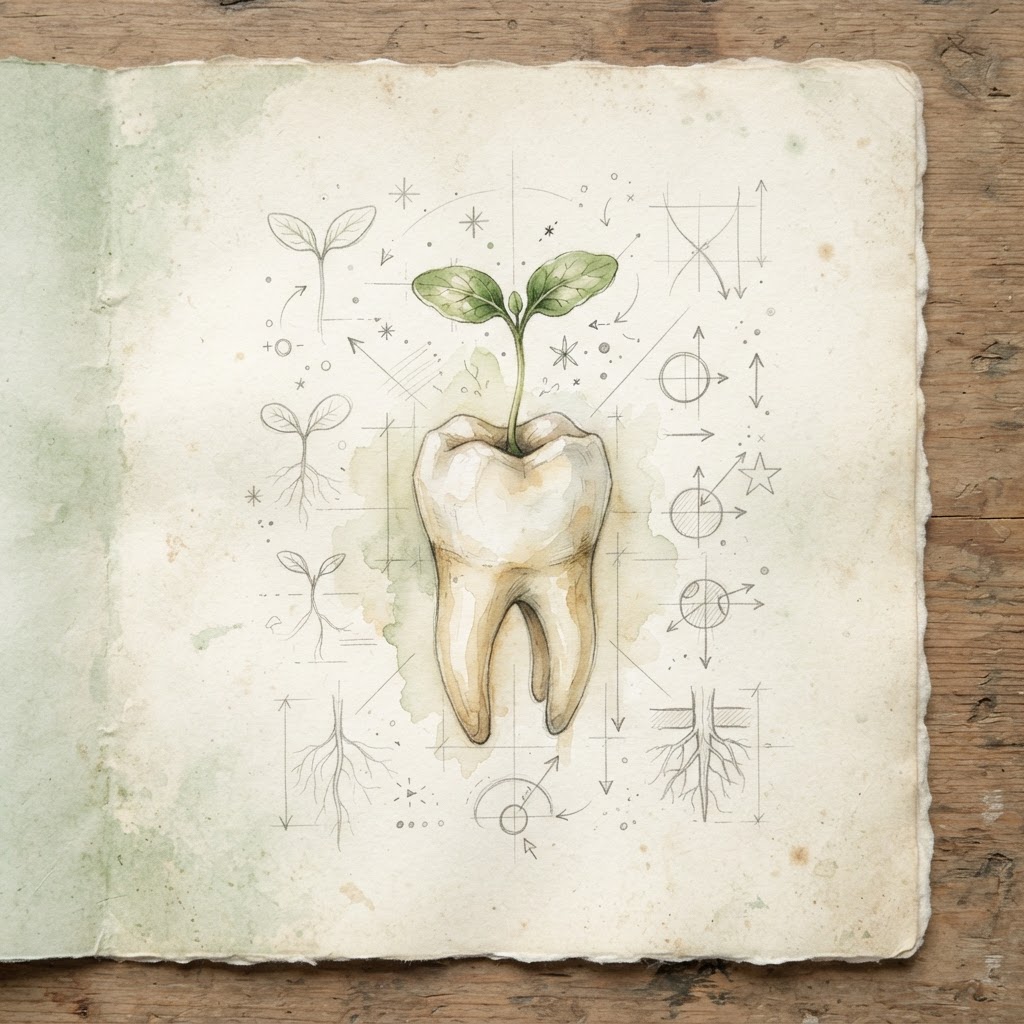
5. The tooth comes out painlessly. When there is no pain, many interpreters read the dream as a low-drama transition: something leaving your life that you no longer needed. The absence of distress is the message.
6. Bleeding gums or blood in the mouth. Blood in Western dream symbolism often stands for vitality and emotional stakes. A teeth dream with blood tends to appear when the change on your mind carries real emotional cost, not just logistics.
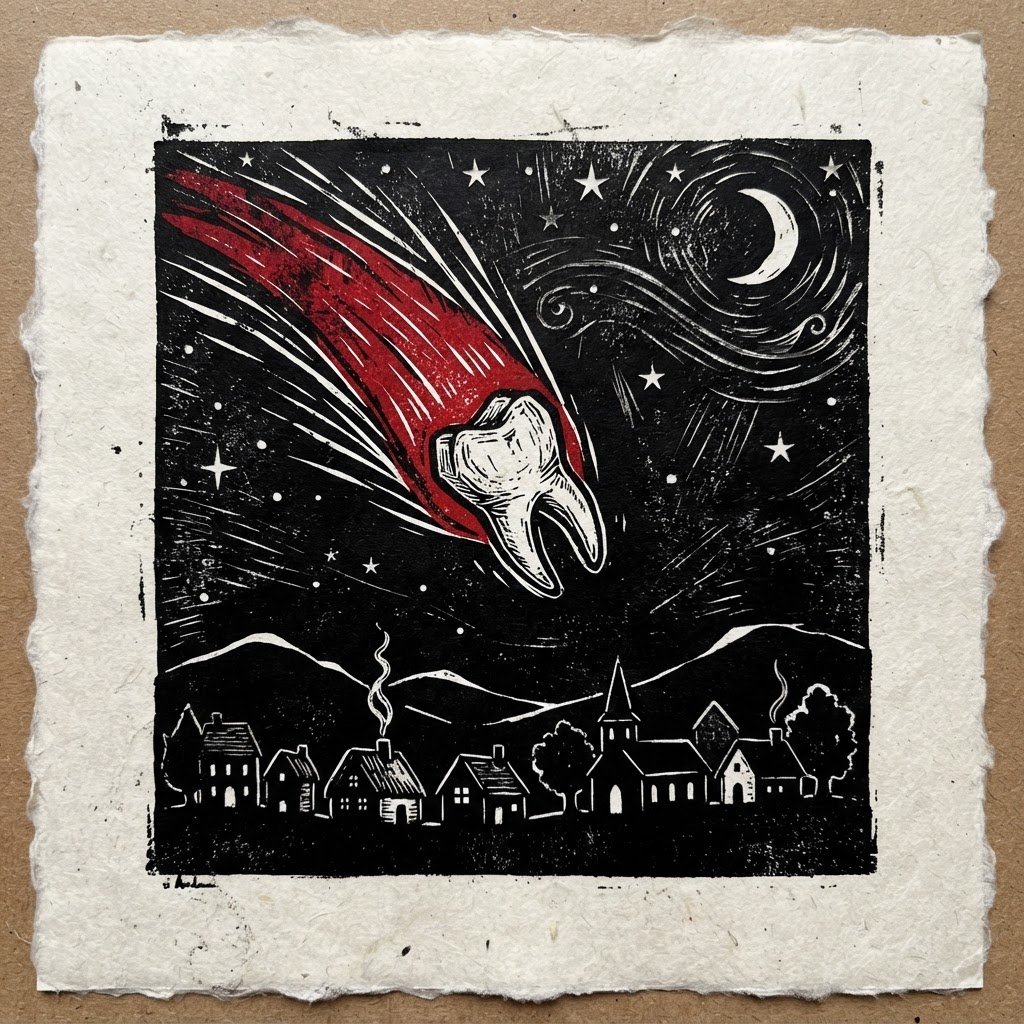
7. Someone else loses their teeth. Projection at work. The Gestalt view asks whom the other figure resembles — quite often it carries a quality of yours, such as fear of appearing weak, that you have assigned to someone else for safekeeping.
8. You pull the tooth yourself. Active removal rather than passive loss. A frequent reading is chosen change: ending a commitment, leaving a role, or deliberately letting go of an identity you built but no longer want.
9. The teeth grow back. The most hopeful variation in the Western tradition. Jungian writers read renewal of teeth as the psyche restoring what was lost — a signal that confidence is rebuilding after a difficult stretch.
10. Teeth turn black or decay in the mirror. Mirror dreams often involve self-judgment. Decay seen in a reflection tends to appear with harsh self-criticism, shame about appearance or aging, or a fear that something about you has changed for the worse.
The psychological message behind your teeth dream
Whichever variation shows up, the useful question is the one every Western school agrees on: what in your waking life currently feels outside your control? Teeth dreams tend to cluster around evaluations — a job interview, a public presentation, a difficult conversation you keep postponing. They also appear during transitions with a visible component: quitting a role, moving cities, ending a relationship that others watched from the outside.
Because teeth are so central to how you present yourself, the dream frequently carries a social anxiety rather than a physical one. A useful self-inquiry exercise: describe the moment of loss in the dream, then describe a moment from your week that produces the same feeling. The overlap is usually where the dream is pointing.
Why we dream of losing teeth: the science
Dreams of all kinds are most vivid during REM sleep, the stage in which the brain replays and recombines recent memories and emotional residue. Research on dream content suggests a continuity between waking concerns and dream themes: what troubles you during the day tends to reappear in symbolic form at night. Teeth dreams in particular have been linked in survey studies to periods of stress, life dissatisfaction, and situations that unsettle a person’s sense of attractiveness or competence.
There is also a mundane candidate worth knowing about. Physical sensations can be woven into dream imagery, and researchers have noted that people with actual dental distress — grinding, clenching, or gum discomfort — report teeth dreams more often. The image is not always a symbol; sometimes it is the sleeping brain narrating a real signal from the body.
This content is for psychological and cultural perspective only and is not a substitute for medical diagnosis or professional consultation.